In today’s digital world, using social media is key for businesses to grow online. With so many platforms out there, picking the right one can be tough. Pinterest and Instagram are two big names with special features for businesses.
Instagram has over 1 billion users every month, mostly young adults. Pinterest has around 400 million users, mostly women. Knowing what each platform does best is important for making money online. For more details, check out our blog post.
Key Takeaways
- Understand the demographics and user engagement of Pinterest and Instagram.
- Learn about the ad formats and shopping features on both platforms.
- Discover which platform is more suitable for your business type.
- Explore strategies to maximize your online earnings.
- Compare the lifespan and engagement of content on Pinterest and Instagram.
Understanding the Platforms: Pinterest vs Instagram Basics
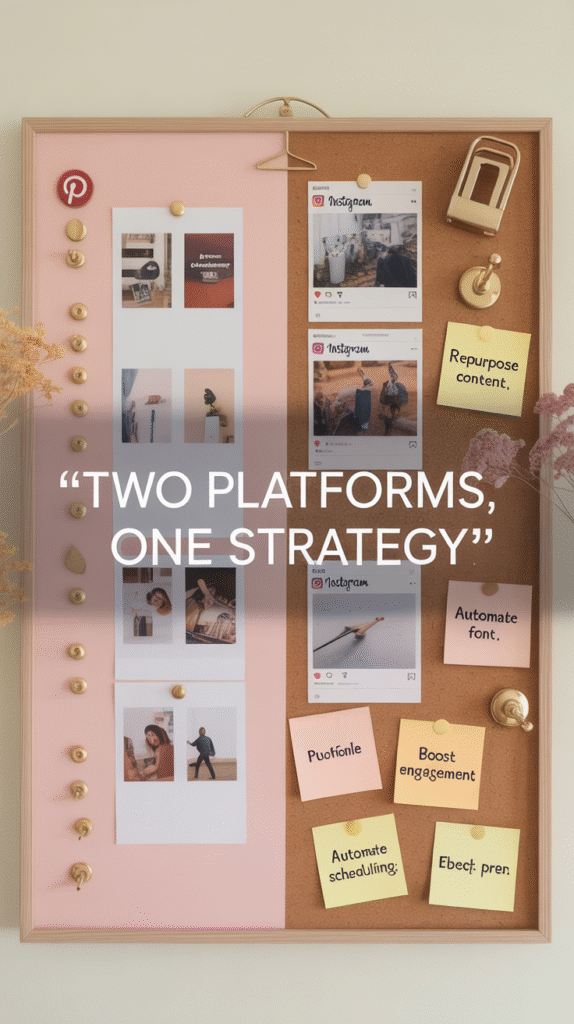
Pinterest and Instagram are two different social media sites. Knowing their unique features is important for using them well. Both are visual, but they serve different needs and offer unique chances for businesses.
What is Pinterest and How Does it Work?
Pinterest is a site for finding ideas for projects and interests. It’s great for planning things like weddings, home decor, and recipes. Pinterest’s focus on long-term content is perfect for businesses with products or services that stay relevant over time.
Pinterest’s Search and Discovery Model
Pinterest’s main feature is its search and discovery model. It lets users find and save Pins that match their interests. The site uses keywords and hashtags to help users find related content.
The Pin Lifecycle and Evergreen Content
Pins on Pinterest can last a long time, known as “evergreen content.” Unlike other platforms where content quickly goes out of date, Pins can be found and saved for months or years.
What is Instagram and How Does it Work?
Instagram is a platform for sharing moments through photos, videos, Stories, and Reels. It’s all about community and engagement through likes, comments, and shares. Instagram’s real-time engagement is great for businesses that can share timely content.
Instagram’s Feed, Stories, and Reels
Instagram has different content formats. There’s the main feed for permanent posts, Stories for short-lived content, and Reels for short videos. Each format has its own purpose and appeals to different users.
The Algorithm and Content Visibility
Instagram’s algorithm decides how visible posts are. It looks at user engagement, relevance, and timeliness. Knowing this algorithm is key for businesses wanting to boost their reach and engagement.
| Feature | ||
|---|---|---|
| Primary Use | Visual discovery and planning | Visual storytelling and community engagement |
| Content Lifespan | Long-term (evergreen content) | Short-term (real-time engagement) |
| Content Types | Pins (images and videos) | Feed posts, Stories, Reels |
User Demographics: Who’s on Each Platform?
Knowing who uses Pinterest and Instagram is key for businesses planning their marketing. It helps them decide where to focus their efforts.
Pinterest’s User Base and Behavior
Pinterest is mostly used by women. They are looking to buy things, making it a great place for businesses to find customers.
Age, Gender, and Income Demographics
Most Pinterest users are women, about 70-80%. They are mostly between 25 and 44 years old. The platform also attracts people with higher incomes.
User Intent and Purchase Behavior
Pinterest users often come looking to buy. This makes it perfect for businesses to reach out to people who are ready to make a purchase.
Instagram’s User Base and Behavior
Instagram has a diverse group of users. Its demographics are a bit different from Pinterest’s.
Age, Gender, and Geographic Distribution
Instagram’s users are more evenly split by gender. It’s popular worldwide, reaching both rich and poor countries.
Engagement Patterns and Brand Interactions
Instagram users love to interact with brands. They like, comment, and share stories. Businesses can use this to grow their brand and keep customers loyal.
| Platform | Primary Age Range | Gender Distribution | User Intent |
|---|---|---|---|
| 25-44 | Predominantly Female | High Purchase Intent | |
| 18-34 | Evenly Split | Varied, including Entertainment and Brand Engagement |
Content Lifespan and Discoverability
Content lifespan and discoverability are crucial for social media success. Knowing how long your content stays relevant and visible is key. This affects your strategy a lot.
Pinterest’s Long-Term Content Strategy
Pinterest is famous for its evergreen content. This content stays relevant and easy to find for a long time. It’s great for businesses wanting lasting content.
Evergreen Content Performance
Pinterest’s algorithm loves content that stays good over time. This means older pins can still get traffic. This evergreen performance is a big plus for businesses.
SEO Benefits and Search Traffic
Pinterest is also great for SEO. This means your content can be found through search, bringing organic traffic. Using the right keywords makes your pins more visible.
Instagram’s Real-Time Engagement Model
Instagram, on the other hand, focuses on real-time engagement. Content’s lifespan is short. Posts get buried fast, making it hard to stay seen.
Content Shelf Life and Visibility Window
Instagram’s shelf life for content is brief, usually a few hours. This short window means you need to post often to stay noticed.
Strategies for Extending Content Reach
To overcome Instagram’s short content lifespan, businesses can try a few things. Posting regularly, engaging with followers, and using Instagram Stories and Reels can help your content last longer.
Monetization Options on Pinterest
There are many ways to make money on Pinterest, like affiliate marketing and sponsored pins. Its focus on visuals makes it great for businesses and creators to earn.
Affiliate Marketing Opportunities
Affiliate marketing is a good way to make money on Pinterest. You can earn commissions by promoting products and getting sales through your link.
Best Performing Affiliate Categories
Home decor, fashion, and beauty products do well on Pinterest. They get a lot of attention and can lead to sales.
Implementation Strategies and Disclosure
It’s important to tell your followers about affiliate marketing. Use clear language and follow the Federal Trade Commission’s rules.
Product Pins and Catalogs
Product Pins and Catalogs help e-commerce sites. They let customers buy from your pins easily.
Setting Up Shoppable Pins
To use shoppable pins, verify your site and add your catalog to Pinterest. This lets you tag products and customers can buy directly.
Optimizing for Conversions
Make your Product Pins stand out with good images and detailed descriptions. Keep your prices competitive and update your catalog often.
Sponsored Pins and Advertising
Sponsored Pins let brands reach more people. You can target specific groups to boost your website traffic.
Ad Formats and Targeting Options
Pinterest has different ad types, like Sponsored Pins and video Pins. You can target by demographics, interests, and keywords for better results.
Budget Planning and ROI Expectations
Plan your budget and ROI for sponsored Pins campaigns. Keep an eye on how they do and adjust your budget to get the best return.
Monetization Options on Instagram
Instagram has grown, offering new ways for businesses to make money. It’s a place where businesses can show off their products and connect with people. This helps drive sales.
Sponsored Posts and Brand Partnerships
Sponsored posts and partnerships with brands are big on Instagram. Influencers and content creators can promote products to their followers. This way, they can earn money.
Finding and Negotiating Brand Deals
To find brand deals, focus on having a strong profile and engaging content. Also, having a niche audience that matches potential partners is key. Negotiating deals means talking about price, content, and what needs to be done.
Pricing Strategies and Deliverables
Pricing for sponsored posts depends on follower count, engagement, and niche. What you need to deliver can include specific content, posting times, and how well you engage with your audience.
Instagram Shopping and Product Tags
Instagram Shopping lets businesses tag products in their posts and stories. This makes it easy for customers to buy from the app.
Setting Up Your Shop
To start Instagram Shopping, businesses need to meet certain requirements. They must have a product catalog and follow commerce policies.
Optimizing Product Listings and Checkout
For product listings, use high-quality images and detailed descriptions. Add relevant hashtags too. Making checkout easy can also help keep customers from leaving their carts.
Affiliate Marketing and Swipe-Up Links
Affiliate marketing on Instagram means promoting products and earning commissions. This happens when sales are made through unique referral links.
Stories vs. Feed Affiliate Strategies
Swiping up in stories can send people to affiliate links. Feed posts can also promote products with affiliate links in captions or bios.
Tracking Performance and Conversions
It’s important to track how well affiliate links are doing. Look at engagement, click-through rates, and conversion rates. This helps improve your affiliate marketing.
| Monetization Strategy | Description | Key Benefits |
|---|---|---|
| Sponsored Posts | Partner with brands to promote products or services | Increased brand awareness, revenue generation |
| Instagram Shopping | Tag products in posts and stories for seamless purchasing | Streamlined sales process, increased conversions |
| Affiliate Marketing | Earn commissions for sales generated through referral links | Passive income, diversified revenue streams |
Business Types That Thrive on Pinterest
Different businesses do well on Pinterest. They use its visual features to reach their audience. It’s great for businesses with products or services that look good.
E-commerce and Product-Based Businesses
E-commerce businesses with nice products do well on Pinterest. They can tag products in their pins. This makes it easy for users to buy.
Home Decor, Fashion, and DIY Success Stories
Home decor, fashion, and DIY businesses shine on Pinterest. They can show off their products in styled settings. Fashion brands can display their latest collections.
Strategy Tips for Product Promotion
To promote products on Pinterest, make high-quality pins. Use the right keywords and descriptions to help people find them.
Service-Based Businesses with Visual Appeal
Service-based businesses with a visual side also do well on Pinterest. Wedding planners and interior designers can share their work. This attracts potential clients.
Wedding Planning, Interior Design, and Coaching
Professionals like wedding planners and interior designers can use Pinterest. They can share images and tips. This helps them show their expertise.
Converting Inspiration to Client Bookings
To get clients, make sure your Pinterest profile looks professional. Include clear calls-to-action. This directs users to your website or contact info.
Content Creators and Bloggers
Content creators and bloggers can use Pinterest to get more traffic. They can make engaging pins that link to their blogs or websites. This helps them earn more.
Driving Traffic to Monetized Content
To get more traffic, optimize your pins with keywords and descriptions. Join group boards in your niche. This can help you reach more people.
Building Authority in Your Niche
By sharing great content and engaging with your audience, you can become an authority on Pinterest. This builds trust and loyalty with your followers.
Business Types That Thrive on Instagram
Instagram is great for businesses wanting to grow online. It’s all about visuals, which helps many types of businesses shine. This includes lifestyle brands, personal brands, and those selling visual products or services, plus influencers.
Lifestyle and Personal Brands
Lifestyle and personal brands do well on Instagram. It’s all about telling stories with pictures. They can really connect with their followers.
Building an Engaged Community
To thrive, these brands need to build an engaged community. They should post great content regularly and talk to their followers.
Monetizing Personal Influence
Once they have a community, they can monetize their influence. This means making money from sponsored posts, affiliate marketing, and selling stuff.
Visual Products and Services
Instagram is perfect for businesses with eye-catching products or services. This includes photography, art, and design businesses.
Photography, Art, and Design Businesses
For these businesses, Instagram is like a digital portfolio. It lets them show their work to people all over the world. Instagram’s stats show they can really make an impact.
Creating Compelling Product Showcases
To show off their products, businesses should use top-notch visuals and captions. Captions should highlight what makes the product special.
Influencers and Content Creators
Influencers and content creators are also a great fit for Instagram. They can use their influence to promote things.
Niche Selection and Audience Building
Successful influencers pick a niche and build a dedicated audience in that area.
Multiple Revenue Stream Development
To make more money, influencers can explore different ways to earn. This includes sponsored content, affiliate marketing, and selling their own stuff.
- Lifestyle and personal brands can build strong connections with their audience.
- Visual products and services can effectively showcase their offerings.
- Influencers and content creators can leverage their influence for various revenue streams.
ROI Comparison: Pinterest vs Instagram
To figure out which social media platform is more profitable, we need to look at their ROI. This will help businesses see which platform gives better returns on their marketing spending.
Traffic Generation Potential
Getting high-quality traffic is key for any marketing plan. Both Pinterest and Instagram offer unique ways to drive traffic to websites.
Click-Through Rates and Website Visitors
Pinterest is famous for its high click-through rates (CTR). This is because Pinterest users are often looking for specific products or services. They are more likely to click through to a website.
Traffic Quality and Bounce Rates
Even though Pinterest might bring in more traffic, the quality of that traffic matters too. Instagram, with its focus on visuals, can attract users who are more engaged. This might lead to lower bounce rates.
| Platform | Average CTR | Average Bounce Rate |
|---|---|---|
| 2.5% | 40% | |
| 1.8% | 35% |
Conversion Rates and Sales
Conversion rates are crucial for measuring marketing campaign success. Both platforms have different strengths in turning users into customers.
Average Order Value Comparison
Pinterest users tend to spend more on average compared to Instagram users. This is because Pinterest users are often closer to making a purchase.
Purchase Intent and Decision Journey
It’s important to understand the purchase intent of users on both platforms. Pinterest users are more focused on making a purchase. Instagram users might be more influenced by brand awareness and visuals.
Time Investment vs. Returns
The time and resources spent on creating content for each platform affect ROI. Businesses should consider the content creation needs and the benefits of automation and scheduling.
Content Creation Requirements
Pinterest needs high-quality, evergreen content that stays relevant over time. Instagram, on the other hand, thrives on timely, visually-appealing content.
Automation and Scheduling Benefits
Both platforms allow for automation and scheduling. But Pinterest’s long-term content strategy can benefit more from scheduling tools. This reduces the need for constant new content creation.
Platform Growth and Future Outlook
Looking ahead, Pinterest and Instagram are set for big growth. This is thanks to new features and more users. The social media world is getting more crowded, with both platforms trying to win over users and advertisers.
Pinterest’s Evolving Features and User Base
Pinterest keeps getting better, adding new stuff to make users happy and give businesses more ways to reach people. It’s getting more users, focusing on e-commerce integrations and visual discovery.
New Monetization Tools on the Horizon
Pinterest is working on new ways for businesses to make money, like better ads and affiliate marketing. These tools will make Pinterest more attractive to businesses, helping it grow and earn more.
Market Expansion and Opportunities
Pinterest is growing its reach, opening up new chances for businesses to reach different markets and people. With more users, Pinterest is becoming a key place for businesses to diversify their social media presence.
Instagram’s New Tools and Market Position
Instagram is also changing, with a focus on Reels and Shopping features. These changes are changing how businesses talk to their followers. A recent article on the most popular social media platforms says Instagram’s innovation keeps it popular.
Creator Economy Developments
The creator economy is booming on Instagram, with new tools for creators and businesses. This includes better branded content and affiliate marketing options.
Competition and Platform Saturation
Despite being popular, Instagram faces more competition. To stay on top, Instagram is working on keeping users engaged and adding new features to keep things interesting.
Creating a Dual-Platform Strategy
To reach more people, think about using Pinterest and Instagram together. A strategy that uses both platforms can help you grow your online presence. It lets you target different parts of your audience with the right content.
When to Use Both Platforms
It’s good to use Pinterest and Instagram when you have a wide range of content. This way, you can reach different parts of your audience based on what they like.
Complementary Content Planning
Plan your content to match each platform’s special features. For example, use Pinterest for content that lasts longer and Instagram for quick updates.
Audience Overlap Analysis
Look at how your Pinterest and Instagram audiences overlap. This helps you make your content work well on both platforms and keep your brand message strong.
Content Repurposing Strategies
Repurposing content is important for a dual-platform strategy. It means changing your content to fit each platform’s style.
Adapting Visual Assets for Each Platform
Change your images to fit each platform’s needs. Pinterest likes vertical, high-quality images, while Instagram is more flexible.
Message Customization for Platform Context
Make your message fit each platform’s vibe. Pinterest users often look for inspiration, while Instagram users like real-time stuff.
Managing Time and Resources Effectively
Managing your time and resources well is key for a dual-platform strategy. This means making your workflow better and using the right tools.
Workflow Optimization and Tools
Use scheduling tools to post on both platforms at once. Tools like Hootsuite or Buffer can really help.
Measuring Cross-Platform Performance
Track how you’re doing on both platforms to see what works. Use analytics tools to learn about your audience and tweak your strategy.
For more on Pinterest and Instagram, check out this detailed comparison.
Conclusion: Choosing the Right Platform for Your Business
When picking between Pinterest and Instagram for your business, knowing each platform’s strengths is key. Pinterest has 1 billion monthly active users, while Instagram has 250 million. Your choice should match your target audience and business goals.
Pinterest is great for content that stays relevant over time. Instagram is better for direct interaction and sales. Think about your audience: if they’re mostly women aged 25-54, Instagram might be best. But if your audience is older or looking for lasting content, Pinterest is a good pick.
Choosing the right platform means matching your business needs with what each platform offers. By understanding the differences between Pinterest and Instagram, you can make a smart choice. This will help you boost your online presence.
FAQ
What are the main differences between Pinterest and Instagram in terms of user demographics?
Pinterest attracts an older crowd, with most users aged 25-44. Instagram, on the other hand, is popular among the 18-24 age group. Pinterest users tend to be married and have higher incomes.
How do Pinterest and Instagram differ in terms of content lifespan and discoverability?
Pinterest’s content stays relevant for a long time, driving traffic and engagement. Instagram’s content, though, has a shorter life span. But Instagram’s algorithm favors content from accounts users interact with often.
What are the most effective monetization strategies on Pinterest?
On Pinterest, affiliate marketing, product pins, and sponsored content work well. Businesses can also tag products in their pins to drive website traffic.
How can businesses leverage Instagram’s features to maximize their social media income?
Instagram offers features like Instagram Shopping and product tags to boost sales. Businesses can also collaborate with influencers and other brands to expand their reach.
Can businesses use both Pinterest and Instagram to maximize their online earnings?
Yes, using both platforms can help businesses reach more people. This dual strategy can drive traffic to your website from various sources.
How do I measure the ROI of my Pinterest and Instagram campaigns?
To gauge your campaigns’ ROI, track website traffic, engagement, and sales. Use Pinterest Analytics and Instagram Insights to monitor your performance and tweak your strategy.
What are the key factors to consider when deciding between Pinterest and Instagram for my business?
When choosing between Pinterest and Instagram, think about your audience, content, and goals. Consider each platform’s unique features and your available resources and time.