

The health and wellness industry is booming, showing huge growth. It’s driven by a global move towards healthier living. Many entrepreneurs see it as a great chance to make money. This guide helps beginners understand the market, find profitable areas, and follow key steps for success.
To start a successful health product side hustle, you need to know the market. There are many products out there, from supplements to wellness apps and organic foods. Find your spot and meet the growing need for quality health and wellness items. For a detailed guide on selling health and wellness products online, check out this step-by-step guide.
Key Takeaways
- The health and wellness industry is experiencing exponential growth.
- Understanding market trends and opportunities is crucial for success.
- Identifying your niche helps in targeting consumer needs effectively.
- Compliance with regulations ensures you meet quality standards.
- Branding and marketing strategies are essential for standing out.
Introduction to the Health and Wellness Industry
The health and wellness industry has grown a lot in recent years. More people want to live healthy lives. This industry includes things like supplements, organic foods, fitness gear, wellness apps, and holistic health.
Market Trends and Growth
Several things have helped the health industry grow. People are more aware of health benefits, and there’s a rise in chronic diseases. The aging population also plays a role.
The Global Wellness Institute says the wellness industry is worth over $4.5 trillion. It’s expected to keep growing. People are looking for ways to stay healthy and live longer.
Nutritional supplements, organic foods, and digital health solutions are big players in this growth. Companies like GNC, Whole Foods, and Fitbit offer products for health-conscious people. The focus on personal health is creating opportunities for new businesses.
The Lucrative Opportunity for Entrepreneurs
There are many chances for entrepreneurs in the health industry. It’s growing fast and people’s preferences are changing. Entrepreneurs can explore areas like personalized nutrition, home fitness, and mental health apps.
Starting a business in this field can be easier because of low barriers to entry. Digital transformation has also opened up new ways to do business. Subscription services, virtual consultations, and wellness apps are just a few examples.
Startups that match their products with current health trends and what people want will have a good chance of success.
Finding Your Niche in Health and Wellness
In the health and wellness world, finding a unique niche can make you stand out. It can take your business to new levels. By understanding consumer health preferences, you can tailor your services and connect deeply with your audience. This section will look at popular health and wellness niches and how to find what consumers really want.
Popular Niches within the Industry
The health and wellness field has many specialized areas. These cater to different needs of consumers. Here are some key niches that are making a big impact today:
| Niche | Description |
|---|---|
| Chair Yoga for Seniors | A gentle form of yoga that increases flexibility and balance, tailored for the elderly. |
| Corporate Wellness Coaching | Programs designed to improve employee health and productivity in the workplace. |
| Nutrition for Teenage Athletes | Specialized dietary plans to enhance performance and recovery in young athletes. |
| Plant-Based Nutrition Planning | Guidance and meal plans for individuals adopting a plant-based diet. |
| Mobile Massage Therapy for Events | On-the-go massage services for corporate events, parties, and other gatherings. |
Identifying Consumer Needs and Preferences
To find the best niche, consider these tips:
- Identify Your Passion and Unique Expertise: Focus on areas where your interests and skills shine. Passionate engagement often results in better services and products.
- Conduct Market Research: Understand gaps in the market by analyzing current trends and consumer demands. Utilize resources and data to shape your business direction.
- Analyze Competition: Recognize your competitors’ strengths and weaknesses to identify opportunities to offer superior or differentiated solutions.
- Iterate and Innovate: Constantly evolve your niche offerings based on evolving consumer health preferences and feedback.
By focusing on underserved segments and emerging trends, your business can thrive. It can meet distinct consumer health preferences and become a leader in your niche. For more insights on niche selection, visit this comprehensive guide.
Researching and Selecting Products
Looking into health products means studying current trends, what people buy, and new wellness needs. Knowing these helps pick products that meet customer wants and shine in a crowded market.
- Market Research: Keep up with the latest in health and wellness. Read market reports, check out customer reviews, and follow health blogs and forums. This way, you’ll know which products are popular.
- Consumer Preferences: Listen to what people say. Watch social media and do surveys to find out what wellness products they want. This helps you stock what customers really need.
- Product Sourcing: Make sure you get top-quality products from reliable suppliers. Look at suppliers’ safety, effectiveness, and ethics. Working with good suppliers boosts your brand and makes customers happy.
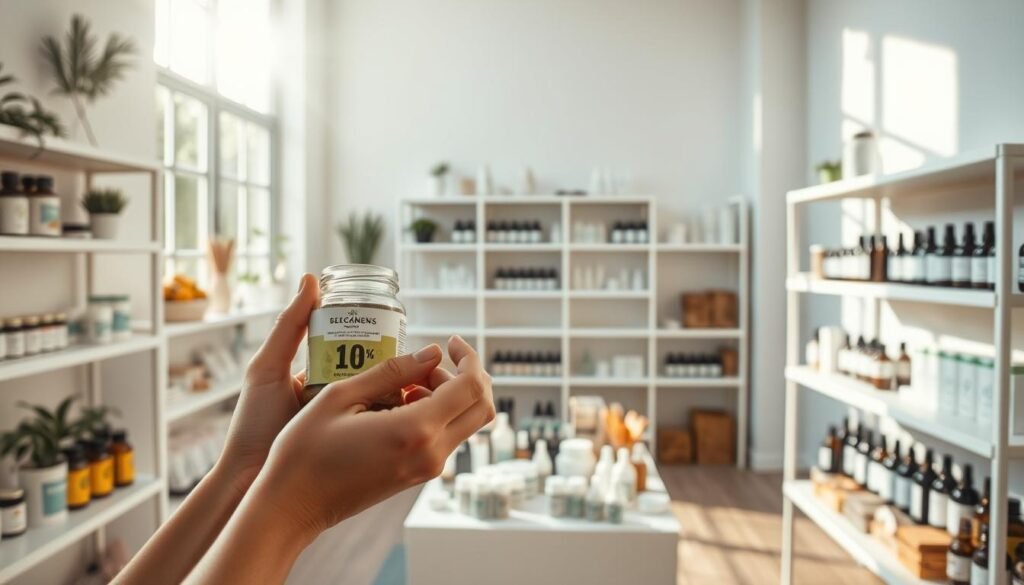
When picking products, think about what’s missing in the market. This could be a chance to offer something new and needed. By doing thorough research, you can choose the best suppliers and products. This ensures your wellness products meet customer needs and follow the rules.
Compliance and Regulations in Health Product Sales
Following FDA compliance and health product regulations is key for selling health and wellness items in the U.S. and abroad. Knowing the rules for labeling and international standards helps businesses stay legal and gain consumer trust.
Understanding FDA Guidelines
The U.S. Food and Drug Administration (FDA) has clear rules for health and wellness products. This includes dietary supplements and food items. These rules cover ingredient lists to how products are made. Not following these can cause big problems and harm trust with customers.
Companies must make sure their products follow all FDA compliance rules to stay legal.
International Compliance
When selling health and wellness items worldwide, knowing each country’s rules is vital. Each country has its own set of health product laws. For example, the European Union has strict rules that are different from the U.S.
Businesses should talk to international legal experts to deal with these differences and avoid legal issues.
Labeling Requirements
Correct labeling is key for FDA compliance and following health product laws globally. Labels need to show what’s in the product, how to use it, and any allergens. Companies should check their labels often to keep up with changing rules.
Having accurate and compliant labels helps with following rules and makes customers more confident in what they buy.
| Regulatory Body | Main Requirement | Examples |
|---|---|---|
| FDA (U.S.) | Ingredient Disclosure | List all components |
| EU Regulations | Health Claims | Avoid unverified claims |
| Japan’s PMDA | Usage Instructions | Specify proper use |
Building a Strong Brand Identity
Creating a strong brand identity is key in the health and wellness market. A clear brand identity in health sales attracts and keeps customers. It’s important to define your brand’s mission, values, and story.
Defining Your Brand’s Mission and Values
A strong brand starts with a clear mission statement. This mission should show your brand’s purpose in improving health and wellness. It’s crucial to know what your brand stands for and how it will help consumers.
Brands like Patagonia and TOMS are great examples. They thrive by matching their mission with their values.
Designing Your Brand Elements
Visual elements are key to making your brand stand out. Start with a memorable logo that shows your brand’s heart. Choose colors that connect with your audience and evoke the right feelings.
Green is a popular choice in wellness because it means health and calm. The right typography also helps show your brand’s personality.
| Brand Element | Description | Example |
|---|---|---|
| Logo | A unique symbol representing your brand | Nike’s Swoosh |
| Color Palette | Colors that convey your brand’s emotions | Apple’s sleek silver and black |
| Typography | Fonts that reflect your brand personality | Coca-Cola’s distinct script font |
Crafting a Compelling Brand Story
A compelling brand story connects with your audience on an emotional level. Share the unique benefits and values of your products. Stories of personal journeys, challenges, and inspiration behind the brand resonate with people.
The story of Burt’s Bees is a great example. It started as a small candle business using leftover beeswax. This story has captivated their audience and shows their commitment to natural products.
Creating an E-Commerce Website for Your Products
Starting an online store for health products needs the right platform and a good design. A solid base attracts customers and makes shopping better.
Choosing the Right Platform
Picking the best e-commerce platforms for health products is key. Shopify and WooCommerce are great for setting up a store. They help manage stock, handle payments, and make shipping easy.
Square Online is also a top choice. It has features like customizable themes and SEO tools.
Designing a User-Friendly Website
A website that’s easy to use is important. Make sure it works well on phones, as many shop on mobile. Use clear calls-to-action, short product descriptions, and good images to improve the user experience.
Essential Pages for Your Store
Every health store needs key pages to build trust and share important info:
- Home Page: Welcome visitors and show off your best products.
- Product Pages: Detailed descriptions, benefits, and reviews.
- About Us: Share your brand’s story, mission, and values.
- Contact Information: Make it easy for customers to get in touch.
- Blog: Keep your blog updated with health tips and product info.
SEO Best Practices for Online Stores
Using SEO for online health stores is crucial to get more visitors. Use keywords in your titles, meta descriptions, and images. Square Online’s SEO tools help you rank higher in search results. Regular blog posts about health and wellness also help your site get seen more.
Effective Marketing Strategies
To market health products well, you need to know the industry inside out. Using wellness product marketing strategies is key to getting noticed. Creating valuable content that speaks to your audience is a great way to start.
Working with influencers is also crucial. They bring credibility and excitement to your brand. By teaming up with influencers, you can build a real connection with your audience. This can be through sponsored posts, contests, or guest blogs.
Social media campaigns are also vital in today’s marketing world. By targeting specific groups and personalizing your content, you can get more people involved. With digital and mobile marketing making up 44% of costs, this approach is both effective and necessary.
It’s important to understand these marketing trends to get the most out of your budget. Healthcare companies are spending billions, and this number is expected to grow. With TV ads decreasing, digital platforms are becoming more important. This allows for precise tracking and improvement of your marketing.
Many healthcare groups have seen success by using these strategies. They’ve combined feedback and new tech to improve their marketing. With over 80% of patients using smartphones, having a strong online presence is essential. This ensures you stay ahead in the health and wellness market.
- Create high-quality content that informs and engages your audience.
- Partner with influencers who reflect your brand values.
- Utilize social media campaigns to target specific demographics.
- Focus on mobile and digital platforms given their substantial role in marketing costs.
- Regularly track and measure the performance of your strategies to refine and improve.
Social Media Marketing Tips
Using social media platforms is key for good health marketing. It helps your brand get noticed and interact with more people.
Engaging Content Creation
Make content that speaks to your audience. Mix educational health posts, inspiring stories, and fun polls or quizzes. This mix keeps people coming back for more.
Collaborations with Influencers
Working with influencers can make your brand more credible and reach more people. Pick influencers who share your brand’s values. Their genuine support can win over their followers.
Running Paid Ads
Using paid ads on social media lets you target your marketing. Facebook and Instagram offer tools to find the right audience. This makes your health marketing more effective.
| Strategy | Benefit |
|---|---|
| Engaging Content Creation | Keeps audience interested and engaged |
| Collaborations with Influencers | Boosts credibility and expands reach |
| Running Paid Ads | Targets specific demographics efficiently |
By using these strategies in your social media plan, you can improve your brand’s online presence. And, by working with influencers, you can reach even more people.
Email Marketing for Customer Retention
Email marketing is key for health businesses. It’s not just for selling but also for keeping customers close. Using email well can make customers more loyal.
Building a good email list is a big step. Get email addresses from your website or when people buy something. Then, sort your list to send emails that fit what each customer likes.
Make your emails interesting. Send out newsletters with health tips, product advice, and special deals. When you talk to your audience in a way they can relate to, they’ll pay more attention.
Automating emails can make your job easier. Set up emails for new customers, birthdays, and when they haven’t bought in a while. This keeps your messages coming and keeps your customers interested.
Personalizing your emails can make a big difference. Use names, suggest products based on what they like, and offer special deals. This makes your emails feel more like they’re from a friend, not just a company.
Using these strategies in your email marketing can make your business stronger. It builds trust and loyalty, helping you stay ahead in the health and wellness market.
Providing Excellent Customer Service
Offering top-notch health product customer service is key to gaining trust and loyalty. By focusing on detailed pre-sale support, post-sale follow-up, and solving complaints well, businesses can make sure customers have a good experience. This helps keep customers coming back.
Pre-Sale Support
Good pre-sale support is vital for keeping clients happy. People looking to buy often need help making the right choice. Quick, accurate answers can really sway their decision.
- Give detailed info on products and their benefits.
- Have live chat support to answer questions fast.
- Make sure to have a detailed FAQ section.
Post-Sale Follow-Up
Keeping in touch after a sale is crucial. It shows customers they’re valued and supported. This helps keep the relationship strong and boosts customer satisfaction.
- Send personalized thank-you emails to show you care.
- Make follow-up calls to tackle any immediate issues.
- Share tips on using the product well.
Handling Customer Complaints
Dealing with complaints in a caring and quick way shows you’re committed to keeping clients satisfied. A good process for handling complaints can turn a bad experience into a chance to improve and build trust.
| Category | Action |
|---|---|
| Listening | Really listen to what the customer is saying. |
| Apologizing | Always say sorry, no matter what. |
| Resolving | Fix the problem fast and effectively. |
| Following Up | Make sure the problem is fixed and ask for feedback. |
Conclusion
Starting health product sales is an exciting journey. We’ve covered the basics of building a wellness business. This includes finding profitable market trends and marketing your products well.
Choosing the right niche and following regulations are crucial. A strong brand identity is also key. A good e-commerce site, smart marketing, and great customer service will help you stand out.
The health and wellness market is booming. It offers many chances for entrepreneurs who are ready to learn and adapt. Success comes from keeping up with market changes and meeting customer needs. Use the tips from this guide to start your health product sales journey and build a successful wellness business.
FAQ
What are the current market trends in the health and wellness industry?
The health and wellness industry is booming. People worldwide are focusing more on health. This has led to a surge in demand for nutritional supplements, organic foods, and wellness apps.
The market is expected to keep growing. This presents great opportunities for entrepreneurs to start their own businesses.
How can I identify a profitable niche in the health and wellness market?
To find a profitable niche, think about what you’re interested in and what the market needs. Popular areas include nutritional supplements, fitness products, and organic foods.
Do your research to understand what people want and what’s trending. This will help you focus your business effectively.
What factors should I consider when selecting health and wellness products to sell?
When picking products, research what’s popular and what’s new. It’s important to find high-quality products and see if there’s a gap in the market.
Choose suppliers who ensure product safety, effectiveness, and ethical sourcing. This way, you can offer reliable and trustworthy products to your customers.
What are the FDA guidelines for selling health products in the U.S.?
The FDA has rules for dietary supplements, food products, and health items. You must follow labeling rules, list ingredients, and provide usage instructions.
Also, you need to declare allergens. Making sure your products comply with these guidelines is key for legal reasons and to gain customer trust.
How can I build a strong brand identity for my health and wellness business?
To build a strong brand, define your mission and values. Create a logo and color scheme that reflects your brand. Tell a compelling story about your brand.
Your brand should connect with your audience. Highlight what makes your products special to build a strong bond with your customers.
What are the key components of a successful e-commerce website for health products?
A good e-commerce site focuses on user experience. It should be easy to navigate and work well on all devices. Include detailed product info, contact details, and a blog for interesting content.
Using SEO best practices can also help attract more visitors. This makes your site more visible online.
What marketing strategies are effective for the health and wellness market?
Good marketing includes content creation, working with influencers, and social media campaigns. High-quality content helps with SEO and engages your audience.
This builds loyalty and drives sales. It’s a powerful way to grow your business in the health and wellness market.
How can I leverage social media for my health and wellness business?
Use social media to share content that your audience will find interesting. Collaborate with influencers to increase your credibility. Run paid ads to reach more people.
Keep your branding consistent and vary your content. A good strategy is key to success on social media.
What are the benefits of email marketing for customer retention?
Email marketing helps you build and segment your email list. It lets you create engaging content and automate campaigns. This boosts customer retention.
Personalizing your emails and offering exclusive deals can foster loyalty. Regular interaction keeps your audience engaged with your brand.
How does exceptional customer service impact my health product business?
Great customer service is essential for keeping customers happy and coming back. Offer help before they buy, follow up after, and handle complaints well.
This builds trust and loyalty. Happy customers are more likely to return and recommend your business to others.